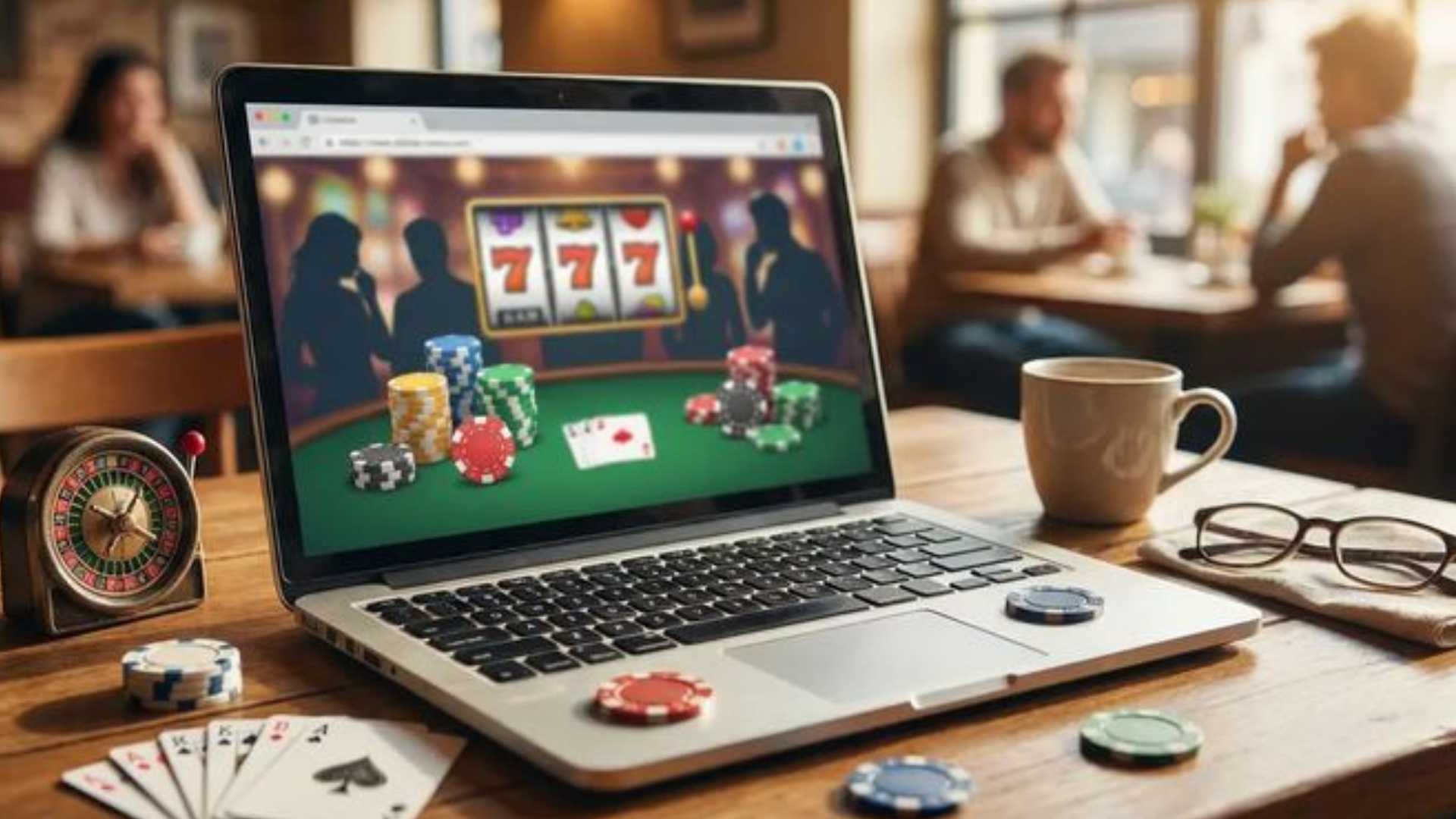
In our modern digital era, maintaining mental focus has become an increasingly difficult challenge due to endless screen notifications and brief online content. Table games offer a brilliant, analog solution to this issue by requiring sustained mental engagement and presence from start to finish. By stepping away from digital distractions, players can actively train their attention spans while enjoying a fun, interactive experience with friends or family.
The Cognitive Power of Traditional Chess
Chess has stood for centuries as the ultimate test of mental discipline and deep logical planning. Every single match demands that players anticipate their opponent's strategy while maintaining total awareness of their own defensive positions on the board. This constant need to look several steps ahead helps strengthen working memory and keeps the brain highly focused for extended periods.
Engaging in this classic game regularly trains your mind to filter out external noise and concentrate on a singular problem. Over time, players find that this structured thinking process naturally translates into improved productivity and focus in their daily professional lives.
Tactical Card Games and Strategic Thinking
Many traditional card games are built entirely on probability, card counting, and psychological observation. Players must stay actively engaged with every turn, keeping track of which cards have been played and predicting what remains in the deck. This ongoing mental calculation leaves absolutely no room for distraction, making it a perfect exercise for brain training.
For those looking to sharpen their focus online through strategic platforms, exploring a secure portal like M88 Msports Login offers a great way to challenge your mental capabilities under pressure. Participating in structured gaming sessions encourages healthy brain stimulation and helps build critical decision-making skills.
Tile and Board Games for Sustained Attention
Modern board games and tile-matching challenges also play a vital role in building better mental endurance. Games like Mahjong, Scrabble, or complex cooperative strategy board games require participants to follow intricate rules and keep track of multiple variables simultaneously. The physical tactile feedback of moving tiles or placing pieces further anchors the mind to the present moment.
These activities serve as a natural social outlet that also functions as an excellent workout for the prefrontal cortex. Families who establish regular game nights often notice a marked improvement in their children's ability to stay on task and think critically without immediate digital rewards.
Developing Long Term Mind Habits
Choosing to dedicate time to tabletop gaming is a conscious, beneficial lifestyle shift that promotes cognitive longevity and mental wellness. Unlike fast-paced digital games that thrive on instant gratification, physical table games reward patience, observation, and methodical execution. By cultivating these analytical habits, players of all ages can enjoy a sharper mind and a significantly improved daily focus.