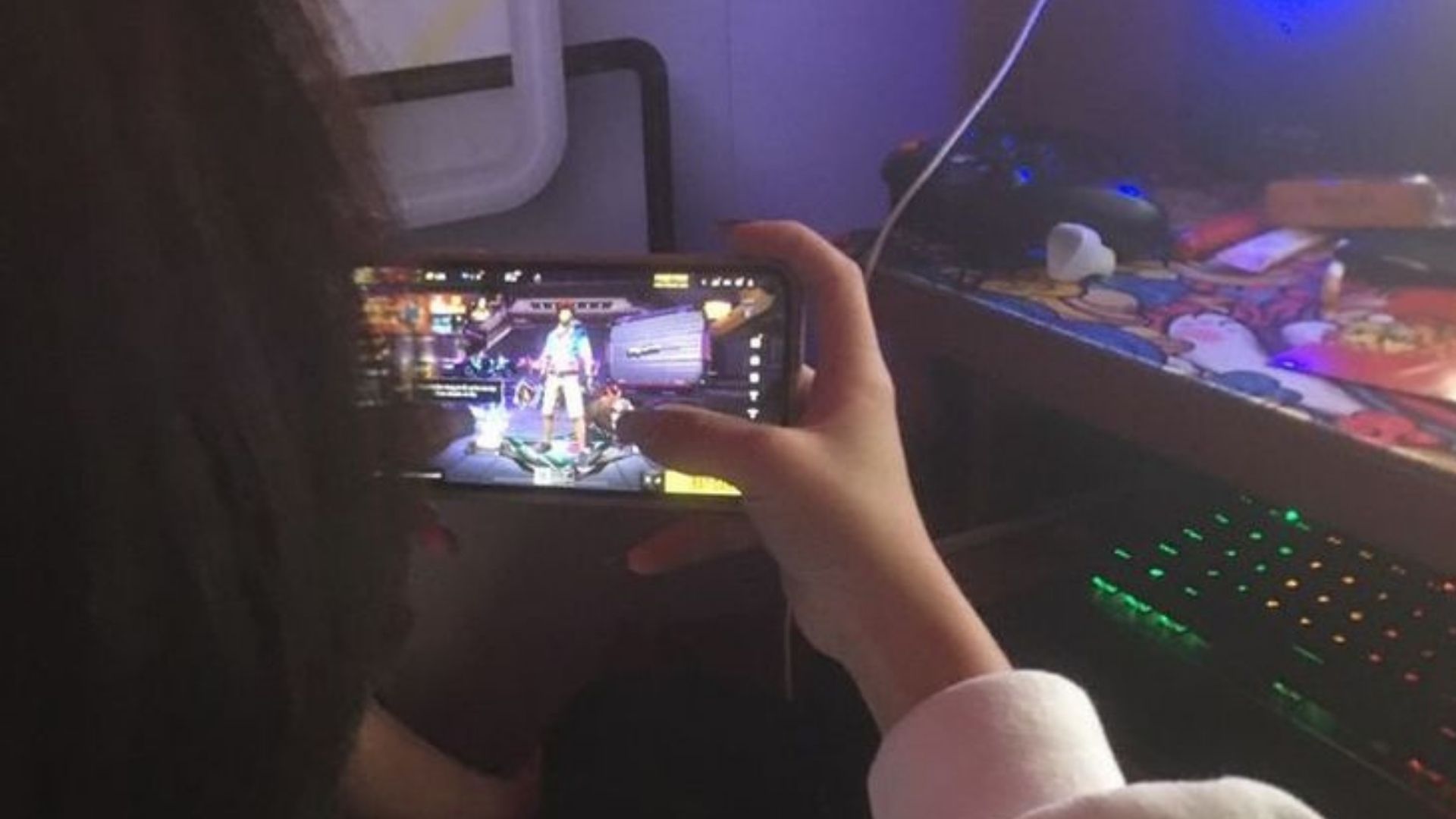
The modern gaming industry has witnessed a significant shift as players increasingly look for deep cooperative experiences over traditional player-versus-player matchups. While competing against others offers a distinct thrill, working together to overcome intricate virtual obstacles provides a unique form of collective satisfaction. Modern game developers are responding to this demand by creating massive digital worlds centered entirely on sophisticated team coordination and shared problem-solving.
The Architecture of High-Stakes Coordination
Designing a game that demands intense cooperation requires more than simply multiplying the enemy count for larger groups. True cooperative challenges rely on asymmetrical mechanics, where every squad member commands distinct abilities that are useless without the support of the rest of the team. This structural design ensures that victory cannot be achieved by a single skilled individual, making group communication absolutely essential.
Teams must learn to synchronize their tactical actions, manage shared pools of resources, and adapt to unpredictable environmental shifts in real time. When players successfully execute a complex plan after multiple failed attempts, the resulting sense of shared triumph strengthens community bonds far better than casual gameplay loops. These intense scenarios turn standard sessions into memorable tests of collective resilience and mutual trust.
Evolving Communication and Cognitive Skills
Engaging regularly in highly demanding multiplayer environments offers benefits that extend well beyond simple digital entertainment. Overcoming complex obstacles requires participants to develop advanced interpersonal capabilities, such as predicting teammate behaviors and providing instantaneous mutual support. Many players find that these structured virtual landscapes serve as excellent platforms for sharpening real-world problem-solving and leadership skills.
To explore dynamic platforms that support interactive communities and diverse entertainment options, enthusiasts can access the M88 Msports Login hub to discover modern systems tailored for collaborative engagement. Interacting with these specialized virtual environments helps participants refine their strategic thinking under high-pressure conditions. Ultimately, the cognitive flexibility gained from navigating these digital arenas fosters long-term analytical growth.
Sustaining Engagement Through Live Operations
The longevity of modern cooperative titles depends heavily on continuous developer support and the regular introduction of fresh operational content. Game development teams face rising pressure to deliver steady streams of maps, specialized cosmetics, and seasonal activities to keep their active player bases thoroughly invested. These frequent updates ensure that the virtual ecosystem remains dynamic, providing veteran players with new hurdles to conquer.
Furthermore, limited-time community events and shifting global challenges prevent the core gameplay from becoming repetitive or predictable over months of continuous play. By balancing fair matchmaking systems with evolving progression structures, developers successfully maintain high player retention rates worldwide. This ongoing cycle of innovation guarantees that the passion for collaborative gaming will continue to thrive across future generations.