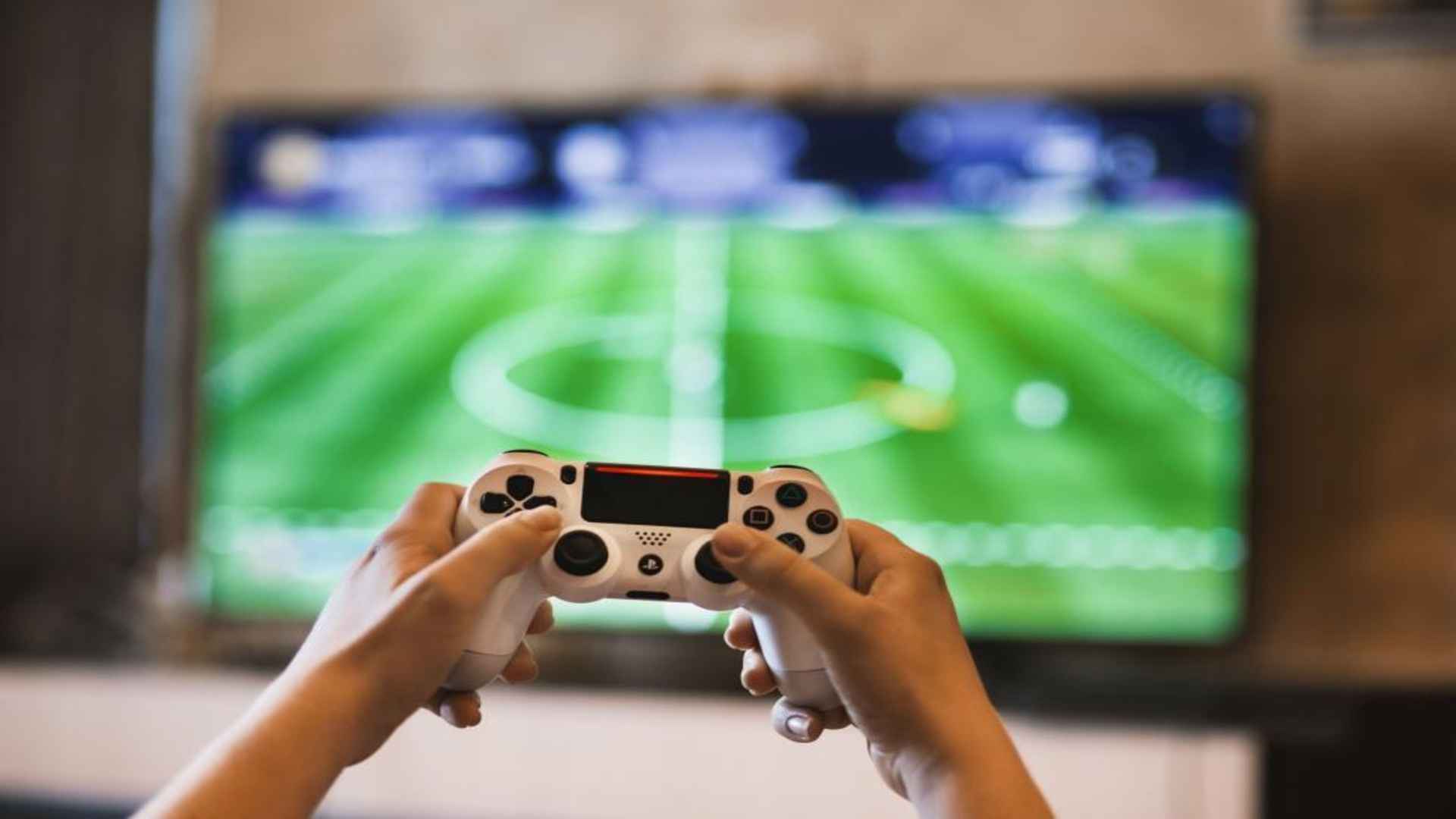
While the DualSense controller offers an immersive gaming experience, many players prefer the precision of a traditional desktop setup. Connecting a keyboard and mouse to your PlayStation 5 can significantly enhance your performance in first-person shooters and strategy games. Fortunately, Sony built robust peripheral support directly into the system software, making the entire installation process remarkably simple.
Connecting Wired Peripherals via USB Ports
The most straightforward method to establish a connection is by using the physical ports located on your console. You can plug your wired keyboard and mouse directly into the available USB slots on the front or back of the hardware. The system will immediately recognize the hardware and prompt you to select an active user profile.
If you run out of open ports due to external storage or charging cables, utilizing a standard USB hub is an excellent solution. This allows you to combine multiple inputs into a single slot without losing responsiveness. Once connected, your devices are ready for immediate deployment in compatible game titles.
Setting Up Wireless Bluetooth Input Devices
For players who prefer a clean setup without cable clutter, wireless Bluetooth peripherals offer an ideal alternative. To pair these devices, you must first navigate to the main settings menu on your console dashboard. From there, select the accessories tab and open the general settings to find advanced options.
Next, place your wireless keyboard or mouse into its designated pairing mode to make it discoverable. The console will scan the immediate area and display the peripheral name under the discovered items list. Simply select the device with your controller to finalize the secure wireless bond.
Configuring Settings for Optimal Performance
After successfully linking your peripherals, adjusting the internal software settings will ensure a smoother tracking experience. The console allows you to customize the pointer speed, repeat rate, and overall layout according to your personal preferences. You can access these configurations directly through the mouse and keyboard sections under the accessories menu.
Fine-tuning the pointer speed is especially critical for maintaining accurate aiming during chaotic multiplayer matches. Players can choose between multiple default options to find the perfect balance for their specific desktop hardware. Taking a few moments to adjust these values will prevent unexpected erratic movements in the field.
Understanding Game Compatibility and Restrictions
It is important to remember that peripheral support varies wildly depending on the specific software developer. While many modern titles include native controls for desktop setups, other games restrict inputs strictly to standard gamepads. Checking the official settings of your favorite game beforehand will save you from unexpected troubleshooting.
Additionally, some competitive online matchmaking systems will separate players based on their chosen control schemes. This design choice ensures fairness by placing desktop layout users into dedicated multiplayer lobbies. Understanding these boundaries helps you manage expectations while exploring different control methods.